Not a caravan of despair
Come sit with Rumi, Shel, and me
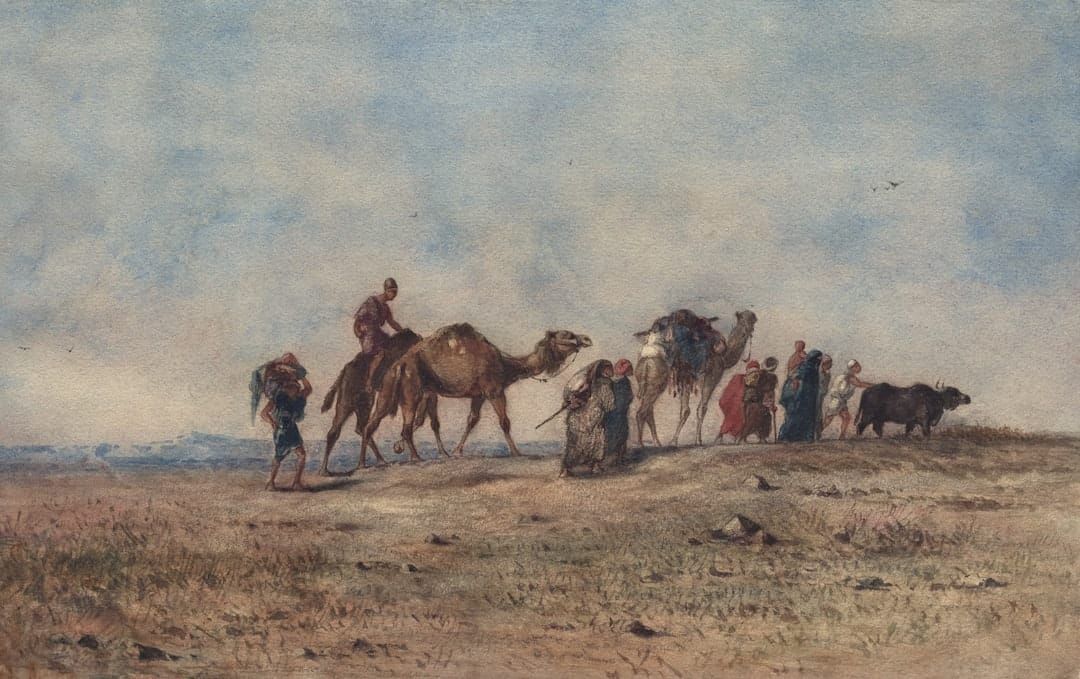
Come, come, whoever you are
Wanderer, worshipper, lover of leaving.
It doesn’t matter.
Ours is not a caravan of despair.
Come, even if you have broken your vow a thousand times.
Come, yet again, come, come.
~Attributed to Jelaluddin Rumi
I was recently reminded of this poem attributed to Rumi, that means a lot to me. It’s interesting to reflect on how the meaning of the words has changed to me. I used to be in the evangelical tradition of weekly, or even daily, repentance, and I was moved by the thought of being welcomed and forgiven even if I’ve broken my vow a thousand times.
But the repentance of my youth wounded me more often than healing me.
Now I think more of breaking my vow a thousand times as a process of trying and learning. I think of trying to fit into places where I didn’t fit, and where I stayed too long despite that. I tried not to be a lover of leaving, but it wasn’t until I left that the healing came. It wasn’t until I wandered that I found answers to my questions. It wasn’t until I broke my vow that I was able to be true to the intention behind the vow.
And despite all of that, ours is not a caravan of despair. Despite all of that, ours is a caravan, a community of travelers, to which we all belong. Despite all of that, there is something holy and eternal that calls to us: Come. Despite all of that, we call to each other: Come.
Or, as Saint Silverstein wrote:
If you are a dreamer, come in
If you are a dreamer, a wisher, a liar,
A hope-er, a pray-er, a magic bean buyer...
If you’re a pretender, come sit by the fire
For we have some flax-golden tales to spin.
Come in!
Come in!
~Shel Silverstein
Love,
Jessica